
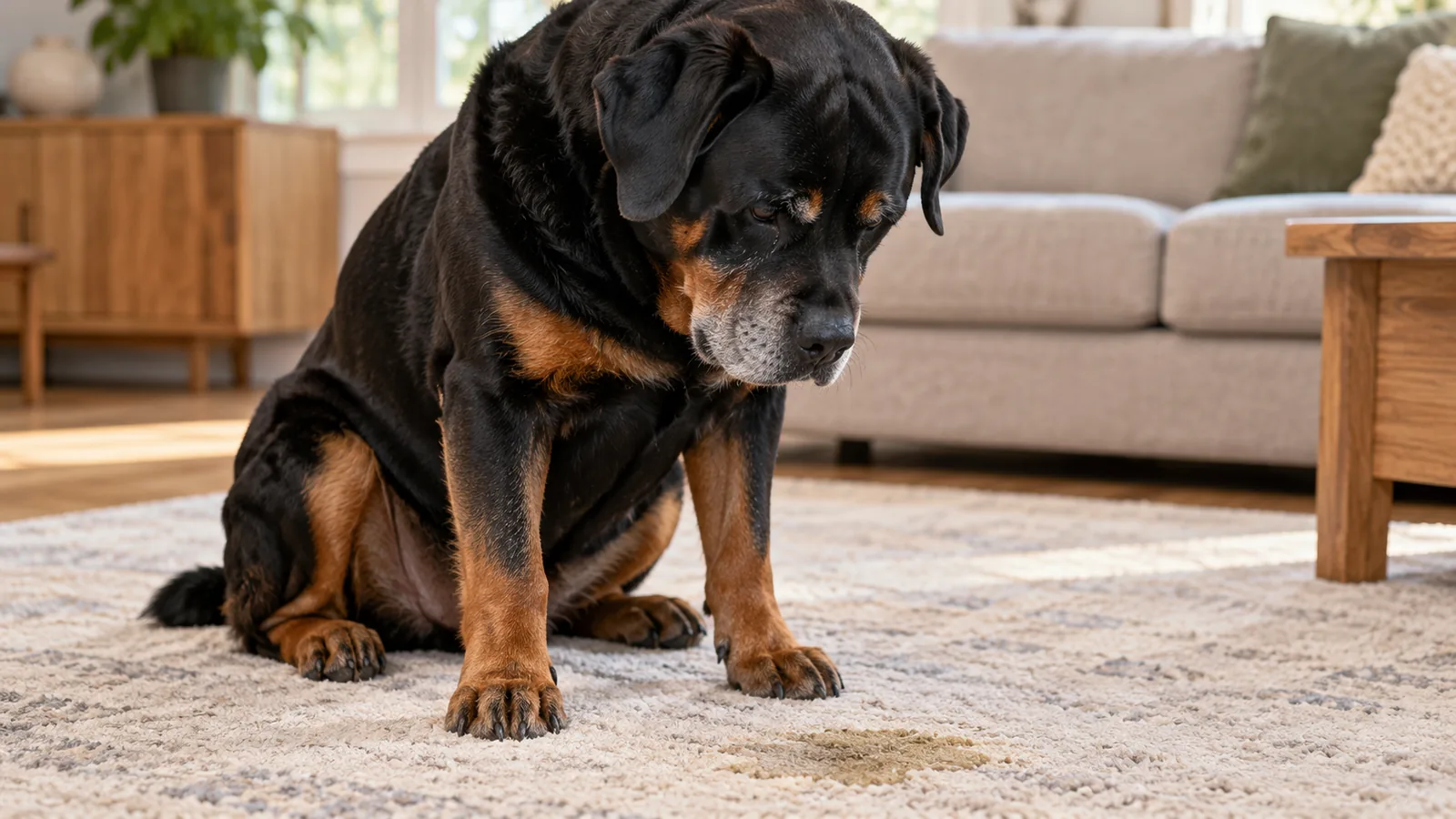
When a dog or cat has been vomiting on and off for weeks and is otherwise holding steady, it can be easy to just clean up the mess and move on with your day. Chronic vomiting is actually the first symptom of many diseases, and finding the cause usually takes a few visits spread over a month or two, not one appointment. The first visit covers the ground that can be checked right away: a fecal test for intestinal parasites, bloodwork, and X-rays that look for organ disease or a blockage. If a food trial comes next, it has to run for several weeks before the result tells you anything, and biopsy is reserved for the cases that stay unexplained after that.
Chronic vomiting should never be ignored, and the diseases that cause it are easier to treat when caught early. Guam Pet Hospital in Hagåtña has the in-house lab and digital X-ray to work through the early stages right here on island, and we will tell you what each result rules out and where that leaves us. Our warm, wet climate keeps intestinal parasites active year round, so a fecal test is worth running early instead of assuming the food is at fault. If the vomiting has been dragging on for weeks, request an appointment and we'll help you get to the bottom of it.
Chronic Vomiting: Four Things to Know First
- A pet who vomits every few days for weeks has a different problem from one who had a single bad night, and the pattern is often the first sign of treatable disease.
- The same puddle on the floor can come from parasites, food, a swallowed object, organ disease, inflammation in the gut lining, fast eating, or stress, and on Guam, parasites are one of the first things to rule out.
- The workup runs in stages: history and exam, then bloodwork with urine and stool testing, then imaging, then a food trial, with biopsy saved for cases still unexplained after that.
- Blood in what comes up, a swollen or painful belly, heaving with nothing produced, or a pet who can't hold water down needs same-day attention.
What Tests Find the Cause of Chronic Vomiting?
Most of the early answer comes from one visit plus about a week of results, with imaging added when a blockage or an organ change is possible. Normal results aren't a dead end: each one takes a cause off the list and points the next test somewhere more useful.
| Test | What it looks at |
| Stool testing | Intestinal worms, Giardia, and other parasites |
| Urine sample | How well the kidneys are filtering, bladder infection, diabetes |
| Blood panel | Kidney and liver values, blood sugar, thyroid level in cats, pancreatic markers, red cell count |
| Exam and history | Weight over time, a tender belly, a mass we can feel, hydration, and the pattern you describe |
| Abdominal ultrasound | Thickness of the intestinal wall, the pancreas, lymph nodes, and masses that don't show on X-ray |
| X-rays, sometimes with barium | Gas and fluid patterns that suggest a blockage, organ size, swallowed material |
Urine testing runs alongside the blood panel because the kidneys' ability to concentrate urine, and any protein slipping into it, can flag kidney disease well before blood values move. We run stool, urine, and blood testing in our in-house lab and take X-rays here, and if your pet needs an ultrasound, we'll help you arrange it.
What Clues Are in the Vomit Itself?
What comes up is a clue before any test is run, and the types of vomit point in different directions.
- Yellow or green bile, or foamy white froth: an empty stomach, often first thing in the morning.
- Whole kibble, barely digested, within minutes of a meal: more likely regurgitation from the esophagus than true vomiting, or a meal eaten too fast.
- Dark material that looks like coffee grounds: blood that has already been partly digested.
- Bright red blood: fresh bleeding in the stomach or esophagus, and a same-day call.
Take a photo or a short video if you can, and note when it happens and how often.
Why Does a Food Trial Take Eight to Twelve Weeks?
A diet trial only answers the question if it stays strict for the full eight to twelve weeks: no treats, no table scraps, no flavored chews, and no sampling from another pet's bowl. The diet is either a protein your pet has never eaten or one broken into pieces too small for the immune system to recognize.
Limited-ingredient foods off the store shelf won't do this job, because the same equipment runs several recipes and studies have found proteins in them that weren't on the label. Flavored medications count, and so does the neighbor handing treats over the fence, so everyone who feeds your pet needs the same short list on the fridge. If the vomiting stops on the trial diet and returns when the old food comes back, that's a real answer.
Why Would My Pet Need a Biopsy?
Biopsy comes into play when bloodwork, imaging, and a strict diet trial have all failed to explain the vomiting, or when imaging finds something that needs tissue to name. It requires anesthesia, and answers one question: what's happening inside the gut lining?
When Is Exploratory Surgery Worth It?
Exploratory surgery means opening the abdomen so the surgeon can see and feel the stomach, intestines, liver, pancreas, and lymph nodes directly, and take full-thickness samples from several spots under a single anesthesia. It becomes the better choice when imaging has already found an abnormality, when the diagnosis depends on tissue from the full wall of the gut rather than its surface, or when there's a blockage or mass that has to be removed regardless. We provide many routine and complex abdominal surgeries at our hospital, and because a referral means a flight off Guam, we'll tell you early if a boarded surgeon is the right call so you have time to plan it.
What Does the Lab Find in a Biopsy Sample?
Intestinal lymphoma can produce the same vomiting, weight loss, and picky appetite as chronic inflammation, and examining the tissue under a microscope, called histopathology, is the only thing that reliably separates them. The same analysis sorts out infections, different inflammatory patterns, and other cancers. The distinction decides the treatment: one of those pets needs an immune-suppressing medication and a diet change, another needs chemotherapy, and a third needs an antibiotic.
What Could Be Making My Pet Sick to Their Stomach?
Chronic vomiting usually traces back to one of five groups: parasites, what your pet is eating, something they swallowed, an organ problem outside the gut, or disease in the stomach and intestinal lining itself. On Guam, parasites sit near the top of that list. Fast eating and stress can drive the same pattern with no disease behind it at all.
Are Parasites a Bigger Problem for Pets on Guam?
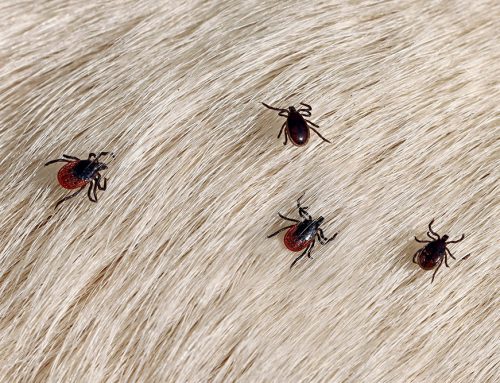
They are. Guam's heat and humidity never give parasites a winter break, and roaming boonie dogs and feral cats keep seeding yards, beaches, and roadsides with eggs. That makes intestinal parasites one of the first things we rule out in a pet who keeps vomiting, even one on regular prevention.
- Roundworms and hookworms: Both are common on island and pass easily from contaminated soil and stool. Heavy loads irritate the gut, and roundworms sometimes come up whole in the vomit.
- Giardia and coccidia: These single-celled parasites spread through puddles, standing water, and contaminated ground after rain. Routine dewormers don't treat them, so they need their own test and medication.
- Stomach worms: Pets who snack on beetles, crickets, and cockroaches can pick up a worm that lives in the stomach lining and causes on-and-off vomiting. Its eggs are easy to miss on a routine stool test, so we sometimes treat for it based on the history alone.
- Heartworm in cats: Heartworm is widespread on Guam, and in cats it often shows up as intermittent vomiting or coughing rather than the heart signs seen in dogs.
A clean stool sample doesn't always mean no parasites, because many shed eggs only on some days. If the history fits, we may repeat the test or treat anyway. Year-round prevention for every pet in the house is one of the simplest ways to take this whole group off the table.
Is My Pet's Food Making Them Sick?
Diet is among the most frequent causes and among the last things many families suspect. A true food allergy means the immune system is reacting to a particular protein. A food intolerance means the digestive system is struggling with an ingredient without any immune involvement. Either one only becomes identifiable when you choose one food and stay with it, because switching brands every few weeks keeps the triggering ingredient hidden.
What If They Ate Something They Shouldn't Have?
Trash, roadside scraps, chicken bones, and the stool of the boonie dogs that roam many Guam neighborhoods all belong in this group. A sock, a strip of a chew toy, or a hair tie can lodge in the intestine and still let some contents past, so partial blockages from swallowed foreign objects cause weeks of on-and-off vomiting rather than the sudden crisis families watch for. A confirmed blockage needs surgery. Never try to make your pet vomit unless we've told you to, because something sharp or already past the stomach can do real damage on the way back up.
Could This Be a Kidney, Liver, or Thyroid Problem?
Kidney, liver, thyroid, and pancreatic disease all cause nausea, and quieting that nausea without identifying the organ responsible gives your pet a few good days before the pattern returns.
- Kidneys: Chronic kidney disease often shows up as vomiting first, since the waste the kidneys can no longer clear builds up and triggers nausea well before you notice extra thirst or weight loss.
- Liver and gall bladder: Inflammation or blocked bile flow brings nausea and a fading appetite, and sometimes the gums take on a yellow tint. Cats can slide downhill quickly once they stop eating, so 24 hours of refused meals is a phone call.
- Thyroid: An overactive thyroid in older cats speeds up the gut. The usual picture is a cat losing weight while eating more than ever, with vomiting on top.
- Pancreas: Low-grade, recurring pancreatitis, which is inflammation of the pancreas, can look like chronic vomiting with an appetite that comes and goes.
What If the Problem Is the Gut Itself?
Once organ disease is ruled out, attention turns to the stomach and intestines, where the treatment differs completely from one condition to the next.
- Inflammation: Inflammatory bowel disease is long-standing inflammation of the stomach and intestinal lining, and it can only be confirmed on a tissue sample, not from the symptom list alone.
- Cancer: In cats, lymphoma of the intestine is the gut cancer we see most, while stomach tumors turn up more often in older dogs.
- Ulcers: Stomach ulcers can put dark, partly digested blood in what comes up, and they often follow certain medications or a severe illness.
- Bilious vomiting syndrome: Bile pools in an empty stomach overnight and comes up as yellow froth before breakfast. Smaller, more frequent meals often settle it.
- Structural problems: Pyloric stenosis, a narrowing at the stomach's exit, traps food and causes repeat vomiting, more often in young dogs and flat-faced breeds.
Why Does My Pet Bring Food Back Up Minutes After Eating?
Food that reappears nearly undigested a few minutes after a fast meal is usually about speed rather than disease, and it shows up most in multi-pet households and in pets with an uncertain food history. The fix is how you feed, not medication: puzzle feeders slow a gulped meal down, feeding in separate rooms takes the competition out of the bowl, and splitting the daily amount into smaller meals helps too.
Can Stress Really Make a Pet Vomit?
Stress on its own can drive gut symptoms, especially in cats, and a new baby, construction next door, a strange cat across the fence, or a change in your schedule is enough to do it. Cats under stress hide in new places, overgroom, and pace, while anxiety and stress in dogs looks more like panting, lip licking, or sticking close to you. Stress vomiting looks like disease vomiting, so we weigh stress alongside everything else rather than in place of it.
What Causes Sudden Vomiting in Pets on Guam?
Sudden, intense vomiting is a different problem from weeks of on-and-off episodes, and on Guam a few causes come up again and again: cane toads, toxic plants, leptospirosis, and parvovirus in young dogs. All of them can turn serious within hours, so vomiting that starts suddenly alongside drooling, weakness, or fever needs same-day care.
What Should I Do If My Dog Bit a Cane Toad?
Cane toads, the large brown Bufo toads that come out after dark and after rain, release a toxin from glands behind their heads when a dog mouths or bites them. Signs start within minutes: heavy drooling, pawing at the mouth, bright red gums, vomiting, wobbling, and in bad cases seizures or collapse. Act fast:
- Wipe the gums and tongue with a damp cloth to remove as much toxin as you can.
- Rinse the mouth with a gentle stream of water, pointing the hose forward and out of the mouth, never down the throat.
- Call us right away and come in, even if your dog seems to bounce back, because heart rhythm changes can follow.
Which Plants on Guam Are Toxic to Pets?
Many plants that thrive in island yards are dangerous if your pet chews or swallows them:
- Sago palm and fadang: Every part of these cycads is toxic, including the fadang native to Guam's forests, and the seeds are the most dangerous. Vomiting comes first, and liver failure can follow within days.
- Oleander: This hedge plant contains compounds that affect the heart, and vomiting is often the first sign.
- Dieffenbachia and other houseplants: Chewing the leaves causes mouth pain, drooling, and vomiting.
- Lilies: Even a nibbled leaf or a little pollen can cause kidney failure in cats.
If you saw your pet chew a plant, bring a piece of it or a photo when you come in.
Can My Dog Get Leptospirosis on Guam?
Yes. Leptospirosis is a bacterial infection spread through the urine of rats and other animals, and the bacteria survive in puddles, mud, and standing water, especially after heavy rain and typhoons. Infected dogs often vomit and run a fever, stop eating, and become lethargic, and the infection can damage the kidneys and liver. Leptospirosis can also spread to people. A vaccine helps protect dogs, and keeping your dog out of standing water lowers the risk.
Why Is My Puppy Vomiting So Much?
A puppy who suddenly vomits repeatedly, especially with diarrhea and lethargy, could have parvovirus, which spreads easily on Guam where many dogs go unvaccinated. Parvo needs immediate treatment, and puppies who haven't finished their vaccine series are most at risk. Keep a young puppy away from parks, beaches, and other dogs' stool until their shots are complete.
When Should a Vomiting Pet Be Seen, and When Is It an Emergency?
Vomiting that repeats for more than a couple of weeks needs an appointment even in a pet who seems bright, and sooner if weight, appetite, thirst, or energy has shifted too. Age matters as well: kidney, thyroid, and liver disease in older pets often cause on-and-off vomiting first, one of the senior pet health changes worth catching now rather than next month.
Some signs mean same-day care instead of an appointment next week:
- Blood in the vomit, whether fresh red or the dark digested kind.
- A belly that looks swollen or hurts to touch, or a pet standing hunched or stretched out to ease it.
- Repeated retching that produces nothing, which in a large-breed dog can signal a stomach that has twisted on itself.
- Water that comes back up within minutes, a pet who won't get up, or pale gums.
Puppies, kittens, and frail seniors dehydrate in hours rather than days, so don't wait any of these out. Call us right away if you're seeing one, and go to the nearest open hospital on island if it starts after we've closed. Never give your pet a human pain reliever or anti-nausea medicine in the meantime: several are toxic to dogs and cats at doses that look small.
What Does Treatment Look Like Once We Know the Cause?
Our veterinary team builds the treatment plan around what the testing found, because the cause decides the medicine.
| What the workup found | What treatment looks like | What we keep an eye on |
| Systemic organ disease | Treatment aimed at the kidney, liver, thyroid, or pancreas itself, with the vomiting usually easing as that condition stabilizes | Follow-up labs, hydration, body condition over time |
| Food-responsive vomiting | Staying on the diet that cleared things up, one household rule about treats, and a plan for holidays and travel | Symptoms creeping back after a switch, or a quiet reformulation of the food you buy |
| Inflammatory bowel disease | Anti-inflammatory or immune-suppressing medication plus a diet that's easier on the gut lining, with doses adjusted to response | Weight, appetite, stool quality, and how often episodes return |
What Families Ask Us About Vomiting and Hairballs
Is a weekly hairball still normal for a cat?
A hairball most weeks isn't normal, even though an occasional one is. Hair passes through a healthy gut and comes out the other end, so hair that keeps coming back up usually means the stomach and intestines aren't moving contents along as they should. That's worth testing rather than managing with a remedy off the shelf.
Why can't we just give something to stop the vomiting?
We often do give anti-nausea medication, and it helps your pet feel better while the workup moves along. It isn't a diagnosis, though. If the vomiting is coming from kidney disease, a partial blockage, or inflammation in the intestinal lining, quieting the symptom lets the cause keep progressing, so we treat the nausea and look for the cause at the same time.
My pet seems fine otherwise. Can we wait a few more weeks?
A bright pet holding a steady weight does buy you some room, and plenty of these cases turn out to be food or a fast eater. Waiting gets riskier if your pet is older, if the weight is slipping, or if episodes are landing closer together. The first round of testing is straightforward and takes the serious causes off the table, which is worth more than another month of guessing.
Book the First Round of Testing at Guam Pet Hospital
Finding the cause of chronic vomiting can take a few visits, and that's a hard answer to hear when you want one today. Most of these pets do get a name for what's wrong, and many of those causes are treatable once we have it. When the vomiting has gone on for weeks, schedule a visit at Guam Pet Hospital in Hagåtña and we'll start narrowing it down.