

Infection is the most common reason lymph nodes swell in dogs and cats, but allergy flares, immune-mediated disease, and cancers like lymphoma can leave the same firm lump under the jaw or behind the knee. How that lump feels under your fingers will not separate one cause from another. What helps is the pattern: which nodes are enlarged, whether one node or several are involved, and how fast the change came on. A tooth-root infection tends to enlarge a single node under the jaw, while a body-wide illness usually shows up in more than one place. That difference is why an enlarged node is worth an appointment in the next day or two rather than a few weeks of watching.
On Guam, ticks and parasites are a year-round pressure, not a seasonal one, so infection sits high on our list when we find an enlarged node. Guam Pet Hospital in Hagåtña has the in-house lab and digital X-rays to run bloodwork and parasite testing and to take chest and abdominal films that show whether the enlargement extends beyond what we can feel. In most cases the answer comes from a fine-needle aspirate of the node itself, a quick sample drawn with a small syringe that lets us tell infection and inflammation apart from cancer. If you have found a lump on your dog or cat, schedule an appointment and we will find out what is behind it.
Big Lymph Nodes in 4 Points
- Infection causes most swollen nodes in dogs and cats, but lymphoma and immune disease can feel identical from the outside.
- The pattern carries the information: one enlarged node points to something local, while several at once suggest a body-wide process.
- A fine-needle aspirate usually answers the question in one short visit, and most pets don't need sedation for it.
- Year-round parasite prevention and a clean mouth remove two of the biggest triggers, and monthly home checks catch what's left early.
How Fast Does a Swollen Lymph Node Need to Be Seen?
Most enlarged nodes deserve an appointment within a day or two, not a wait-and-see week. A node that doubles overnight, arrives with fever or weight loss, or sits under the jaw and changes how your pet breathes or swallows jumps to the front of the line. Slow, mild changes can be scheduled.
| What you're seeing | How soon it needs attention |
| One firm node, and your pet is eating, playing, and acting like themselves | An appointment in the next day or two |
| Several enlarged nodes, or one that grew fast, alongside fever, low energy, or dropping weight | Prompt evaluation, ideally inside 48 hours |
| Swelling under the jaw that affects breathing or swallowing, pale gums, collapse, or a pet who won't get up | Right away |
| A slightly puffy node near an obvious skin flare or a healing scratch, with nothing else off | Within the week |
Not sure which row you're in? Call us and describe what your hands are finding, how long it's been there, and what else has changed.
What Do Lymph Nodes Do, and Where Can You Feel Them?
Lymph nodes are immune checkpoints, small filters that screen fluid draining from the tissues around them and catch bacteria, viruses, and abnormal cells. Five sets sit close enough to the surface that you can feel them from the outside: beneath the jaw, at the front of each shoulder, tucked into the armpits and groin, and behind each knee.
Healthy nodes work quietly and stay small enough that most families never notice them. Swelling means the immune system has switched on, either because the cells inside are multiplying to fight something or because something has moved in that doesn't belong. Which node reacts tells us where the trouble is draining from, and feeling each one is part of every preventive care exam for exactly that reason. It's often how a change gets caught before anyone at home finds it.
What Makes a Lymph Node Swell in a Dog or Cat?
Three groups cover nearly all of it: infection, cancer, and immune disease. Which nodes are involved narrows things before a single test runs. A lone enlarged node points to something local, like a tooth root or a bite wound, while several at once suggest a process moving through the whole body.
Texture adds a little more. Nodes reacting to a nearby infection are often tender and somewhat soft. Cancerous ones tend to be firm, painless, and quick to change. Neither pattern is reliable enough to skip testing, but together they tell us how urgently to move.
Could an Infection Be Behind It?
Infection is where we start. Any infection, whether it’s viral, bacterial, fungal, or parasitic, can cause the lymph nodes to enlarge as the immune system responds. A local infection enlarges one or two of the nearest nodes. A cat-bite abscess on a hind leg swells the node behind that knee and leaves the rest alone. A dental infection drains to the node under the jaw. A systemic infection lights up several nodes at once, usually with fever and a pet who's off their food. Here are the systemic infections we see most that flare up the lymph nodes:
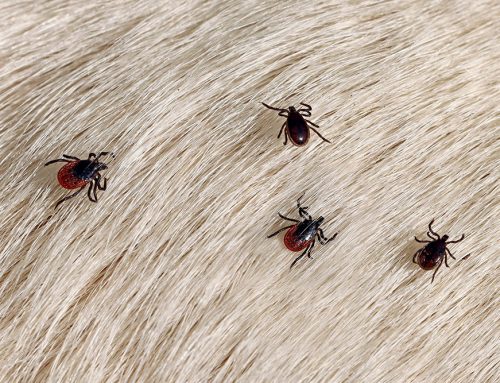
- Tick-borne: Ehrlichia and Anaplasma arrive on the brown dog ticks that thrive on Guam in every month of the year, and they can enlarge nodes all over the body weeks after the bite, usually alongside fever, low energy, and a dropping platelet count. The same tick can carry Babesia, a parasite that attacks red blood cells and adds pale gums and anemia to the picture.
- Bacterial: Standing water after Guam's heavy rains is one of the most common ways dogs pick up leptospirosis, a bacterial infection that inflames lymph nodes while it goes after the kidneys and liver. Mycobacteriosis is a rarer cause of stubborn skin lesions and enlarged nodes in cats.
- Fungal: Warm, humid island conditions favor fungal disease, and when fungal organisms are inhaled or enter through a break in the skin, the nodes draining that area swell as the immune system works to wall them off. The one that fits island life best is cryptococcosis, picked up from soil and bird droppings, and in cats it often starts as a swollen nose or a firm facial lump with big nodes under the jaw.
- Viruses: In cats, feline leukemia virus suppresses the immune system and sharply raises the risk of lymphoma, which is why a cat with big nodes and an unknown retrovirus status gets tested early. Feline immunodeficiency virus does much the same thing over a longer runway. Distemper and parvo in dogs can also start with swollen nodes before progressing to more serious symptoms.
- Parasites: A heavy flea or mite load counts too, because external parasites keep the skin inflamed and the nodes draining that skin stay swollen for as long as the infestation lasts. Toxoplasma, intestinal worms, and Giardia can all keep the immune system activated from the inside.
Could It Be Cancer?
Canine lymphoma leads the list of reasons a dog's nodes balloon suddenly and dramatically, and many of these dogs feel entirely well when it happens, still eating and still playing. That's what makes the visit so easy to put off.
An estimated 1 in 15 dogs born today will develop lymphoma at some point, and the odds climb to roughly 1 in 8 for lymphoma in Golden Retrievers. The subtype shapes everything that follows, from which medications help to how long remission tends to last, so accurate testing at the start changes the plan.
Cats play by different rules. Feline lymphoma prefers the intestinal tract to the nodes under your fingers, so in cats the opening signs are usually weight loss, vomiting, and a shrinking appetite. Other cancers reach the nodes secondhand: mast cell tumors, oral melanoma, and several carcinomas spread to the nearest node first, which is why we sample the node closest to any suspicious lump.
What About Immune Diseases and Vaccines?
Not every enlarged node comes from a germ or a tumor. Immune-mediated hemolytic anemia, where the body attacks its own red blood cells, can do it while also leaving your dog weak and pale-gummed. Lupus and immune-mediated polyarthritis also swell the nodes. A recent vaccine sometimes enlarges the node nearest the injection site for a few days, which is a normal immune response and nothing to worry about.
These causes feel no different under your fingers than the serious ones, so they need the same workup.
How Do We Figure Out What's Behind It?
The workup moves in order, and each step decides the next. Hands first, then a sample of the node itself, then bloodwork and images if the picture is still open. Most dogs and cats leave the first visit with a working answer and a direction.
What Can We Learn From Feeling the Nodes?
Size is only the start. We're reading texture, symmetry between left and right, whether the node is tender, and whether it glides loosely under the skin or sits welded to what's beneath it. Fixed nodes concern us more than mobile ones. The rest of the exam matters just as much: a look in the mouth, through the coat, in the ears, and along the skin often turns up the source draining into that node.
What Happens During a Fine-Needle Aspirate?
Fine needle aspiration takes about a minute, a small needle pulls cells from the node onto a slide, and most pets need nothing more than a gentle hold and a treat afterward. It's the same size needle used for a vaccine, with no incision and no stitches.
Cytology sorts a reactive node from an infected one and usually flags lymphoma clearly, though some slides need a pathologist's read, which adds a few days. What cytology can't always do is name the subtype or show how the node is organized inside, and that's where a biopsy takes over. Removing a whole node under anesthesia gives the lab intact tissue to work with, and because we do surgery here, that step doesn't mean another stop for your pet.
What Do Blood Work and X-Rays Add?
A complete blood count and chemistry panel screen for systemic infection, organ disease, and abnormal cells circulating where they shouldn't be. Tick-borne disease testing runs alongside it. Chest radiographs show whether nodes deep in the chest are involved, which your hands can never reach. When lymphoma is on the table, staging shapes both treatment and what we can honestly tell you about prognosis.
What Does Treatment Look Like Once We Know?
Treatment follows the diagnosis, never the reverse. Starting antibiotics on a node that turns out to be lymphoma costs weeks and can muddy the cytology if we sample later. Once the cause is confirmed, the plan is usually clear, and it gets underway quickly.
| What the workup found | Where treatment goes |
| Bacterial or tick-borne infection | A targeted antibiotic course, often doxycycline, with a recheck to confirm the nodes shrink |
| Fungal infection | Antifungal medication for months rather than weeks, with monitoring along the way |
| Parasites | Treating the parasite, then a prevention plan that closes the door behind it |
| Immune-mediated disease | Medication that calms the immune response, with close tracking of blood counts |
| Lymphoma | Chemotherapy aimed at remission, or steroid-based comfort care, depending on your goals |
For lymphoma, remission rather than cure is the realistic target for most dogs. Remission means the cancer becomes undetectable and your dog feels well again, often for a meaningful stretch of time, and most dogs tolerate treatment far better than people expect. We'll go over every option with you, including the choice to focus purely on comfort.
Can You Lower the Risk of Lymph Node Trouble?
Not every cause is preventable, but the common infectious triggers largely are. Consistent parasite prevention, core vaccines matched to your pet's exposure, and a mouth free of infection take a large share of node swelling off the table. Regular exams catch the rest early, while more options are still open.
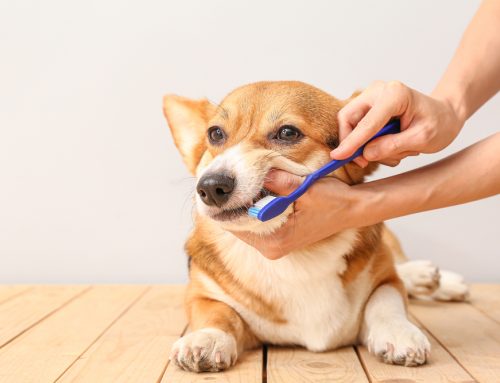
Year-round flea and tick control does the heaviest lifting on Guam, where the pressure never lets up. Dental health matters more than most families expect: infected tooth roots keep the nodes under the jaw activated for years, so breath that has turned or a cat who has stopped chewing on one side is worth a dental exam sooner than the next annual visit. Blood-based screening tests can raise the lymphoma flag months ahead of any change you could feel, which buys real time in the breeds and age groups already carrying higher risk.
How Do I Check My Dog or Cat's Lymph Nodes at Home?
Once a month, run your fingers gently over the same five spots while your pet is relaxed on the couch. You're not measuring anything or judging size against a chart. You're comparing this month to last month, and anything that feels bigger, firmer, or newly lumpy is the signal to call.
Use flat fingertips and light pressure, and check both sides at once so you can feel the difference between them. Under the jaw is easiest to start with, and behind the knee takes a little practice. A cat's nodes are harder to find than a dog's, so a node you can easily feel on a cat is worth telling us about. Pair the check with a brushing session and it takes ninety seconds.
A few things make matters worse, so skip them. Don't squeeze or massage a swollen node repeatedly, which irritates the tissue and can make a sample harder to read. Never apply hot compresses or try to drain anything at home. Don't reach for leftover antibiotics from a past illness, and never give human anti-inflammatory medication, which is toxic to dogs and cats and can mask the very changes we need to see. If something has changed, book a visit and let us do the sorting.
Frequently Asked Questions About Swollen Lymph Nodes
Do swollen lymph nodes ever settle on their own?
Reactive nodes often do shrink once the thing that provoked them resolves, like a healed scratch, vaccine, or a treated ear infection. The catch is that you can't tell a temporarily reactive node from an early lymphoma by watching it, and the conditions that don't resolve on their own are the ones where waiting costs the most. If a node has been enlarged for more than a few days, or you can't point to a reason, it's worth a sample.
Does a hard, painless lump always mean cancer?
Firmness and lack of pain do raise our suspicion, but plenty of hard, painless lumps turn out to be fatty tumors, cysts, scar tissue, or nodes reacting to a chronic skin problem. Location helps: a lump sitting exactly where a lymph node lives gets treated more seriously than one in the middle of the flank. A quick needle sample settles it in one visit, which is far easier than living with the question.
My cat's nodes feel normal. Could she still have lymphoma?
She could. Feline lymphoma most often involves the intestinal tract rather than the nodes near the skin, so a cat can have significant disease while everything you can feel seems fine. Watch for gradual weight loss despite a normal appetite, intermittent vomiting, softer stools, or a coat that looks unkempt. Those changes deserve bloodwork and imaging even when your monthly node check comes back completely unremarkable.
Ready to Find Out What That Lump Is?
The hardest part of finding an enlarged node is the stretch of not knowing what it means, and that part is usually fixable in a single visit. Guam Pet Hospital in Hagåtña can sample the node, look at the cells, run the right tests, and give you a real answer instead of another week of worrying. Earlier evaluation keeps more options open, whatever the cause turns out to be. Reach out and we'll get your pet comfortable, checked, and pointed toward a plan.